
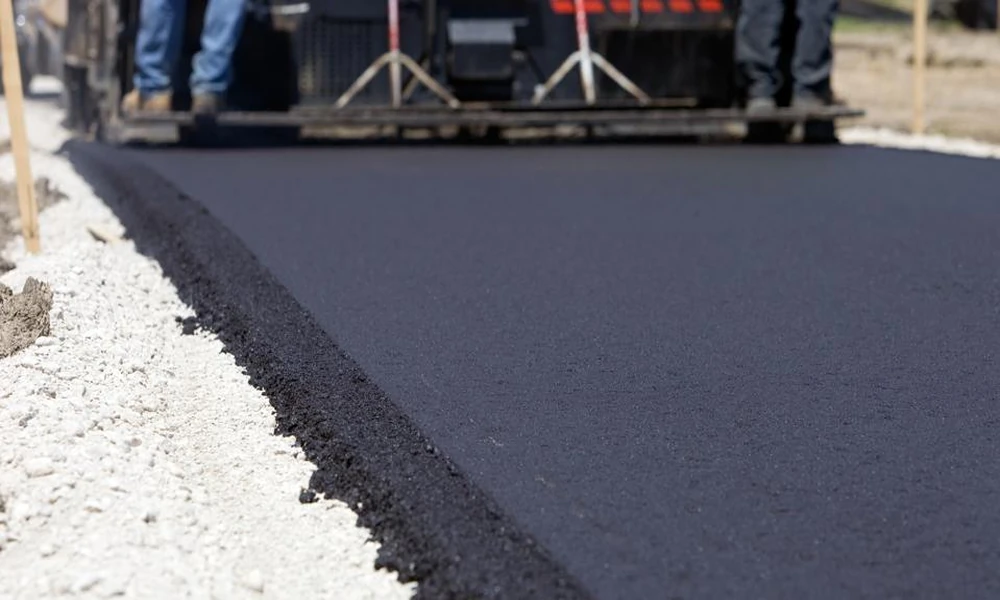
Commercial pavement plays an important role in how customers, employees, suppliers, and visitors experience a business property. A damaged parking lot, uneven access road, or poorly constructed loading area can create safety concerns, increase maintenance costs, and make a negative first impression. For businesses across Utah, working with experienced paving professionals can help prevent these problems and support long-term pavement performance.
When searching for asphalt contractors Utah, commercial property owners should look beyond the initial project price. Proper planning, suitable materials, careful site preparation, and ongoing maintenance all influence how well an asphalt surface performs. Understanding common paving mistakes can help business owners make informed decisions and protect their pavement investment.
Ignoring the Importance of Site Preparation
One of the most common mistakes in commercial asphalt construction is treating surface paving as the entire project. Although the asphalt layer is visible, the ground beneath it has a major influence on pavement strength and stability.
Commercial parking lots and access roads must support regular vehicle movement, and some areas may experience heavy delivery trucks, service vehicles, or repeated loading activity. If the underlying soil is unstable or the base layer is improperly prepared, the finished surface may develop depressions, cracks, or premature structural failure.
Professional contractors evaluate existing site conditions before beginning construction. This may include reviewing drainage patterns, examining the condition of existing pavement, and determining whether the underlying base requires repair or replacement. Appropriate grading and base preparation create a stronger foundation for the asphalt surface.
Business owners should ask prospective contractors how they plan to prepare the site and address weak areas. A clear preparation plan is an important sign that the project is being approached as a complete pavement system rather than a simple resurfacing job.
Choosing a Contractor Based Only on Price
Budget is a significant consideration for businesses planning a parking lot upgrade or new pavement installation. However, selecting a contractor solely because they offer the lowest price can lead to expensive problems later.
A low quotation may not include all necessary preparation work, appropriate asphalt thickness, drainage improvements, traffic management, or finishing details. If important elements are omitted, the project may require repairs sooner than expected.
When comparing asphalt contractors Utah businesses should request detailed proposals that explain the project scope, materials, preparation methods, estimated schedule, and any exclusions. Comparing these details makes it easier to understand what each contractor is offering.
The goal is not necessarily to select the most expensive provider. Instead, property managers should look for a balance of workmanship, project planning, communication, and overall value. A properly constructed pavement surface can help reduce avoidable maintenance expenses and interruptions to business operations.
Overlooking Drainage Requirements
Water is one of the major challenges affecting asphalt pavement. When rainwater or melting snow remains on a parking lot, it can weaken vulnerable areas, contribute to surface deterioration, and create inconvenient or unsafe conditions for drivers and pedestrians.
Utah businesses should pay particular attention to drainage because weather conditions can vary throughout the state. Seasonal precipitation, snow accumulation, and freeze-thaw cycles can place additional stress on pavement, especially when water collects in cracks or low spots.
Effective drainage begins with appropriate grading. The surface should direct water toward suitable drainage points instead of allowing it to pool near entrances, building foundations, pedestrian routes, or loading zones.
Contractors should evaluate existing slopes, catch basins, drainage channels, and nearby structures before recommending a paving solution. Simply adding a new asphalt layer without correcting an underlying drainage problem may leave the original issue unresolved.
Business owners should therefore discuss water management during the planning stage. Addressing drainage early can help improve pavement performance and limit damage associated with standing water.
Using the Wrong Pavement Design for Commercial Traffic
Not every paved area serves the same purpose. A small employee parking area has different demands from a distribution center entrance, a retail parking lot, or a loading zone used by heavy commercial vehicles.
A common mistake is applying the same pavement design throughout a property without considering differences in traffic volume and vehicle weight. Areas exposed to frequent truck movements may need a stronger pavement structure than spaces used primarily by passenger vehicles.
Before construction begins, property owners should explain how the site operates. Important details include the expected number of vehicles, delivery schedules, turning movements, parking patterns, and the presence of heavy equipment.
Experienced contractors can use this information to recommend a suitable design for the site’s conditions. The right approach may involve different pavement specifications for different areas of the same property.
Companies such as Top Job Asphalt can be considered when businesses are evaluating asphalt services for commercial pavement projects. Property managers should discuss their operational requirements and confirm the proposed scope before approving the work.
Rushing Installation and Compaction
A tight construction schedule can be attractive to businesses that want to keep their parking areas open. However, rushing important paving stages can compromise the quality of the finished surface.
Asphalt must be placed and compacted using appropriate methods and within suitable working conditions. Inadequate compaction can leave the pavement more vulnerable to movement, water penetration, and premature deterioration.
Temperature, weather, material delivery, equipment availability, and the size of the paving area can all affect installation. Contractors must coordinate these factors to achieve a consistent result.
Commercial projects also require practical planning around customer access and daily operations. Dividing a large parking lot into phases may allow some areas to remain available while construction proceeds elsewhere. Delivery routes, emergency access, and pedestrian pathways should be considered before work begins.
Property managers should ask contractors how they intend to manage installation quality and site access. A realistic schedule is generally more useful than an aggressive deadline that overlooks essential construction steps.
Neglecting Pavement Markings and Traffic Flow
Fresh asphalt can improve the appearance of a commercial property, but the project may still fall short if parking layouts and traffic movement are ignored.
Faded parking lines, confusing directional arrows, poorly marked accessible spaces, and unclear loading zones can reduce the usability of a business property. These problems can frustrate visitors and create unnecessary conflicts between vehicles and pedestrians.
A pavement improvement project is an opportunity to review how people move through the site. Businesses may need to consider parking space arrangements, entrance and exit locations, pedestrian crossings, delivery vehicle turning areas, and accessible routes.
Markings should be planned in coordination with the finished pavement layout. Property owners should also confirm applicable accessibility requirements and local regulations rather than assuming that an old layout remains compliant.
Clear markings and logical traffic flow help customers navigate a property more easily. They also support more efficient use of the available paved area.
Delaying Repairs Until Damage Becomes Severe
Small cracks and localized surface problems may seem insignificant at first. However, delaying maintenance can allow water and debris to enter vulnerable areas, making the damage more extensive over time.
Commercial pavement is exposed to changing temperatures, sunlight, vehicle loads, spills, and regular wear. Without periodic inspection, early warning signs can go unnoticed until they affect larger sections of a parking lot or access road.
Property managers should establish a maintenance routine that includes checking for cracks, potholes, standing water, loose surface material, and areas where the pavement appears to be sinking. High-traffic entrances, turning areas, and loading zones deserve particular attention.
The appropriate repair depends on the condition of the pavement. Some problems may be addressed through crack sealing or localized patching, while more extensive deterioration may require resurfacing or reconstruction.
Prompt professional evaluation helps businesses understand which repairs are appropriate. It can also help property owners plan maintenance budgets before damage becomes a larger operational issue.
Failing to Plan for Utah’s Seasonal Conditions
Weather conditions can influence both asphalt installation and long-term pavement performance. Temperature changes, winter moisture, snow removal, and freeze-thaw cycles may affect commercial surfaces in Utah.
A frequent mistake is assuming that every paving or maintenance activity can be completed under the same conditions throughout the year. Asphalt installation and certain repair materials have specific temperature and weather requirements. Contractors must evaluate these factors before scheduling work.
Businesses should also consider how winter operations affect their pavement. Snowplows, deicing practices, heavy vehicle movements, and repeated moisture exposure can contribute to wear. Planning ahead allows property managers to identify vulnerable areas and schedule appropriate maintenance.
Seasonal inspections are particularly useful for identifying damage that becomes visible after winter. Repairing small problems before they expand can help maintain a more reliable parking lot or access road.
A contractor familiar with local conditions can explain how timing, materials, and maintenance practices should be adapted to the project.
Failing to Establish a Clear Project Scope
Miscommunication is another avoidable paving mistake. A business owner may expect a complete parking lot improvement, while the contractor’s proposal covers only the asphalt surface. Without a clear written scope, disagreements can arise about preparation, drainage, markings, repairs, and cleanup.
Before approving a project, property managers should confirm which areas will be paved, what preparation is included, how existing damage will be handled, and whether striping or drainage work forms part of the agreement.
The proposal should also identify scheduling expectations, site-access arrangements, payment terms, and any limitations that may affect the finished result. Questions about warranties and maintenance recommendations should be addressed before work begins.
Clear communication helps both parties understand their responsibilities and reduces the risk of unexpected costs. It also makes it easier to evaluate the finished work against the agreed project requirements.
Making a Better Paving Decision for Your Business
Avoiding common asphalt mistakes starts with selecting a contractor who takes the entire project seriously. Proper preparation, suitable pavement design, drainage planning, controlled installation, and ongoing maintenance all contribute to a more dependable commercial surface.
Businesses researching asphalt contractors Utah should compare more than prices. They should evaluate the proposed work, ask practical questions, review relevant commercial experience, and make sure the contractor understands how the property will be used.
Top Job Asphalt is a brand businesses can consider while exploring asphalt paving options for commercial properties. Before committing to any provider, property owners should confirm the services offered, discuss project requirements, and review the proposed scope in detail.
A well-planned pavement project can improve the appearance of a commercial property, support smoother traffic movement, and help manage long-term maintenance needs. By avoiding shortcuts and addressing problems early, Utah businesses can make more informed paving decisions and protect the value and usability of their paved areas.