
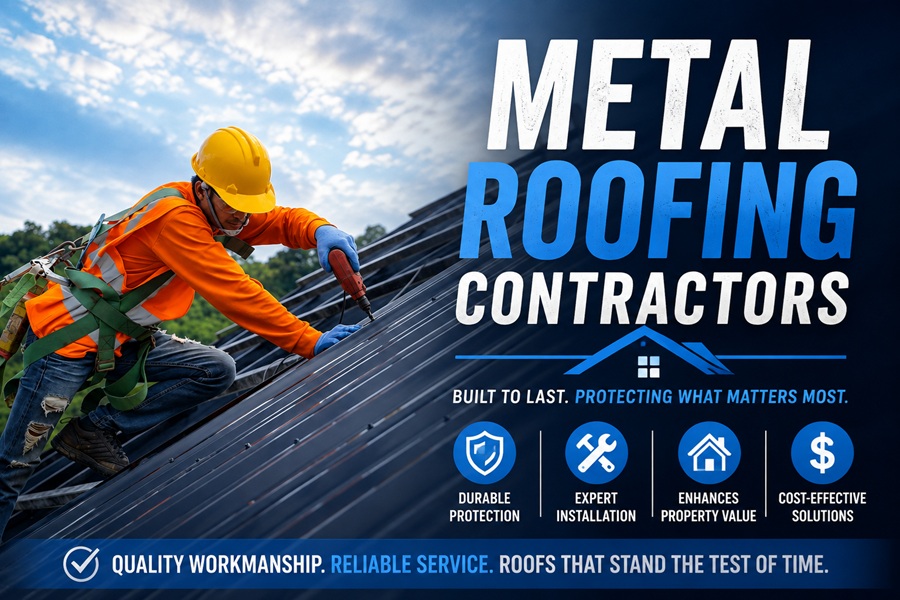
A metal roof can be one of the best upgrades you make to your home. It is durable, energy-efficient, weather-resistant, and can last for decades when installed correctly. But the key phrase is installed correctly. A metal roof is only as good as the contractor who puts it on.
Metal roofing is different from traditional asphalt shingle roofing. It requires specific tools, installation methods, fasteners, flashing details, ventilation knowledge, and experience with metal panels or metal shingles. That is why choosing the right metal roofing contractor matters so much.
Hiring a general roofer who rarely works with metal can lead to problems such as leaks, loose panels, oil canning, poor flashing, rust issues, or a roof that fails earlier than it should. A skilled metal roofing contractor understands how the system works and how to install it for long-term performance.
This guide explains what metal roofing contractors do, why experience matters, how to compare contractors, what questions to ask, and which warning signs to watch for before signing a contract.
What Do Metal Roofing Contractors Do?
Metal roofing contractors specialize in installing, repairing, and replacing metal roof systems. Some work only with metal roofing, while others are roofing companies with a dedicated metal roofing team.
Their work may include:
- Installing standing seam metal roofs
- Installing metal shingles or metal panels
- Removing old roofing materials
- Inspecting roof decking and structure
- Installing underlayment and moisture barriers
- Adding proper flashing around chimneys, vents, skylights, and valleys
- Securing panels with the correct fasteners or clips
- Repairing leaks or damaged metal roofing
- Explaining maintenance and warranty coverage
A good contractor does more than place panels on a roof. They look at the full roofing system, including ventilation, drainage, flashing, fasteners, underlayment, and expansion movement. These details make a big difference in how well the roof performs over time.
Why Metal Roofing Requires Specialized Experience
Metal roofing is not installed the same way as asphalt shingles. Metal expands and contracts with temperature changes, so panels need to be fastened in a way that allows movement without causing damage. Flashing details must be precise because water can find its way into small gaps if the roof is not properly sealed.
Different types of metal roofs also require different skills. A standing seam roof, for example, is installed differently than exposed-fastener panels or metal shingles. The contractor should understand the exact product being used and follow manufacturer guidelines.
Poor installation can cause:
- Leaks around seams, valleys, or penetrations
- Panels that lift in strong wind
- Fasteners that loosen over time
- Rust from improper cutting or exposed edges
- Noise issues due to poor attachment
- Voided manufacturer warranties
- Shortened roof lifespan
This is why experience with metal roofing specifically is so important. A contractor may be excellent with shingles but still not be the right person for a metal roof.
How to Choose a Good Metal Roofing Contractor
Choosing the right contractor takes more than picking the lowest price. You want someone qualified, reliable, properly insured, and experienced with the type of metal roof you want.
- Check Licensing and Insurance
Start by confirming that the contractor is licensed where required in your area. Licensing rules vary by state or municipality, but a legitimate contractor should be able to explain what credentials they hold.
Insurance is just as important. Ask for proof of:
- General liability insurance
- Workers’ compensation insurance
This protects you if property damage or worker injuries occur during the project. Do not rely on verbal confirmation. A reputable contractor should be willing to provide documentation.
- Confirm Metal Roofing Experience
Ask how long they have been installing metal roofs and how many similar projects they have completed. Be specific. If you want a standing seam roof, ask about standing seam experience. If you are considering metal shingles, ask about that product type.
You can also ask to see photos of completed jobs. A strong contractor should have examples of past metal roofing work and be comfortable discussing the details.
- Read Reviews and Ask for References
Online reviews can give you a sense of the contractor’s reputation, but do not stop there. Ask for references from recent metal roofing customers.
When speaking with past customers, ask:
- Was the project completed on time?
- Was the crew professional?
- Did the contractor communicate clearly?
- Were there unexpected costs?
- Has the roof performed well since installation?
- Would they hire the contractor again?
A few bad reviews do not always mean a contractor is poor, but repeated complaints about leaks, delays, poor communication, or unfinished work are serious concerns.
- Get a Detailed Written Estimate
A proper estimate should be clear and specific. It should not be a vague number written on a piece of paper. A detailed quote helps you compare contractors fairly and reduces misunderstandings later.
The estimate should include:
- Type and gauge of metal roofing material
- Roof style or panel system
- Underlayment details
- Flashing and trim details
- Fastener type
- Tear-off and disposal costs
- Labor costs
- Timeline
- Payment schedule
- Warranty information
- Any exclusions or potential extra charges
If one quote is much lower than the others, look closely at what is missing. The cheapest option may not include the same materials, preparation, flashing, or warranty.
- Compare More Than Price
It is smart to get estimates from at least three metal roofing contractors. However, do not choose based only on price. A metal roof is a long-term investment, and poor installation can cost far more in repairs later.
Compare:
- Experience
- Materials
- Workmanship warranty
- Communication
- Project timeline
- Reviews and references
- Level of detail in the estimate
A slightly higher price may be worth it if the contractor offers better materials, stronger warranties, and proven metal roofing experience.
Questions to Ask Before Hiring
The right questions can help you quickly separate experienced professionals from contractors who may not be the best fit.
Ask these before signing a contract:
- How many metal roofs have you installed? This helps confirm real experience.
- Do you specialize in the type of metal roof I want? Standing seam, corrugated panels, and metal shingles all require different techniques.
- Are you licensed and insured? Ask for written proof.
- What brand or type of metal roofing do you use? Quality varies by manufacturer and product line.
- Will you follow the manufacturer’s installation guidelines? This can affect warranty coverage.
- What underlayment will be installed? Underlayment is an important part of the roofing system.
- How will flashing be handled? Flashing around chimneys, vents, skylights, and valleys is critical for leak prevention.
- What warranties are included? Ask about both material and workmanship warranties.
- Who will supervise the job? You should know who is responsible on-site.
- What is the payment schedule? Avoid contractors who demand full payment upfront.
A professional contractor should answer clearly and patiently. If they seem annoyed by reasonable questions, that may be a warning sign.
Understanding Metal Roof Warranties
Warranties are an important part of any roofing project, but they can be confusing. In most cases, there are two types to understand.
Material Warranty
This comes from the manufacturer and covers the roofing product itself. It may include protection against defects, paint finish failure, or corrosion, depending on the product.
Read the warranty carefully. Some warranties are limited, and coverage may depend on proper installation.
Workmanship Warranty
This comes from the contractor and covers installation-related problems. For example, if a leak happens because flashing was installed incorrectly, that may fall under the workmanship warranty.
A strong workmanship warranty shows that the contractor stands behind their work. Make sure the warranty is written into the contract, including what is covered and how long it lasts.
Red Flags to Watch For
Not every contractor is qualified to install a metal roof. Watch for warning signs before making a decision.
Be cautious if a contractor:
- Cannot show metal roofing experience
- Has no license or insurance
- Refuses to provide references
- Gives a vague estimate
- Offers a price that seems too good to be true
- Pressures you to sign immediately
- Asks for full payment upfront
- Avoids questions about warranties
- Uses poor communication
- Cannot explain the installation process
Trust your instincts. If something feels rushed, unclear, or unprofessional, keep looking.
Final Thoughts
A metal roof can add long-term value, protection, and curb appeal to your home, but only if it is installed properly. The contractor you choose plays a major role in how well the roof performs.
Look for a licensed and insured contractor with proven metal roofing experience, strong references, clear estimates, quality materials, and solid warranties. Ask detailed questions, compare multiple quotes, and avoid choosing based on price alone.
Taking time to hire the right metal roofing contractor can save you from leaks, warranty problems, and expensive repairs later. With the right professional, your metal roof can protect your home for decades.